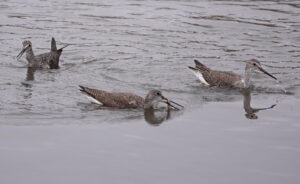
Salem County, March 18, 2026
Salem County in spring can offer very interesting birding; it has early migrants and arrivals, but also can hold on to winter birds.
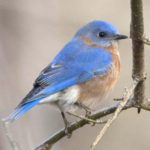
Salem County in spring can offer very interesting birding; it has early migrants and arrivals, but also can hold on to winter birds.
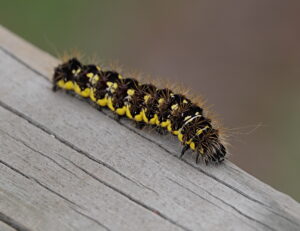
Arriving at the hawkwatch about 10:15, we found a moderate flight of accipiters underway, with constant Cooper’s and Sharpshinned Hawks in the air…. On our way home we found and identified a couple of interesting caterpillars.
Two trips in one – a scouting run and a fall field trip, in shorebird season.
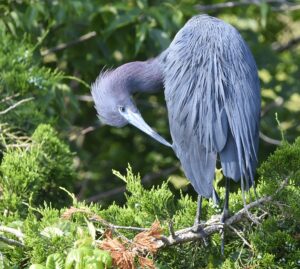
A great day of bird photography at the rookery.
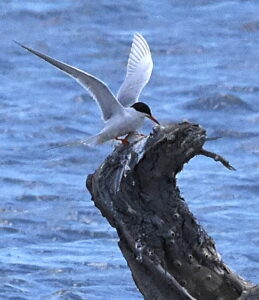
The ML Birders headed out to Belleplain State Forest on a gray and blustery day hoping to see some early arriving warblers. The birding gods were conspiring against them!
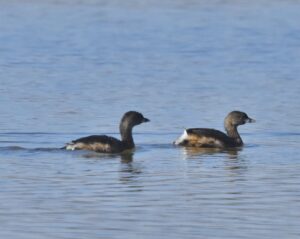
Mannington Marsh, the tidal estuary of the Salem River, is a beautiful place to look for waterfowl and early spring migrants.
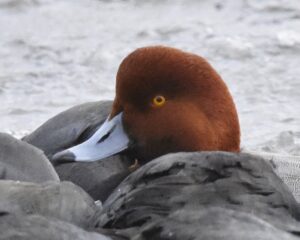
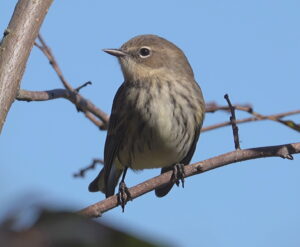
A beautiful day, with thousands of Myrtle (Yellow-rumped) Warblers and plenty of hawks to watch.
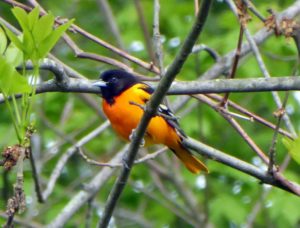
The ML Birders visited two county parks on a lovely sunny day and saw and/or heard 40 species. Interestingly, Jennifer Bulava and a group were doing a Spring Bird Census at Boundary Creek on the day of our visit. The birds were plentiful and we got excellent views of Baltimore Orioles, Orchard Orioles, Yellow Warblers and Cedar Waxwings.
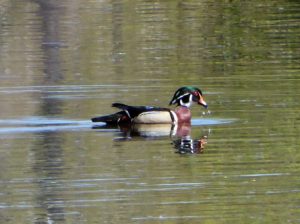
The ML Birders visited the Taylor Preserve in Cinnaminson and were guided through the trails by Mike Zickler who is a frequent guest on our trips and very active in the programs of the Preserve.
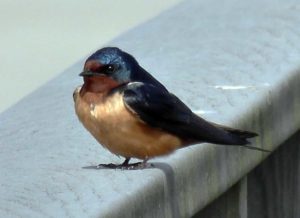
The John Heinz NWR located in Tinicum by the Philly airport is the first (1972) wildlife refuge established in an urban environment. The ML Birders visited the refuge on a nice, sunny day and saw 34 species of birds. We were a little too early for the warbler Spring migration but we did get nice looks at Yellow-rumped and Palm Warblers. We also saw Osprey, Bald Eagle and an immature Red-tail Hawk.
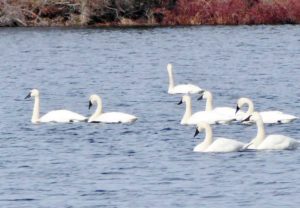
Six ML Birders and three guests visited the flooded cranberry bogs at Whitesbog on a crisp but sunny day and drove the sandy dike roads hoping to spot the waterfowl that inhabit the ponds. We expected to see the Tundra Swans and we saw 88 of them (yes they were counted) as well as a large flock of Ring-necked Ducks, a few Buffleheads, Mallards and Hooded Mergansers. The surprise of the day was two Horned Larks who “entertained” us as they ran back and forth across the sandy dike road.
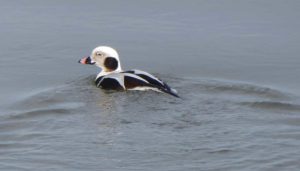
It was a new experience for the ML Birders to visit the inlet at Barnegat Light on a mild, sunny and windless day in winter.
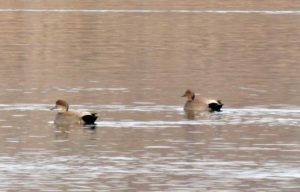
The ML Birders’ trip to the Shark River Inlet netted 36 species on a partly sunny and almost windless day. We got to see a variety of birds but water fowl and related species were the dominant birds of the trip. Brant geese were by far the most common.
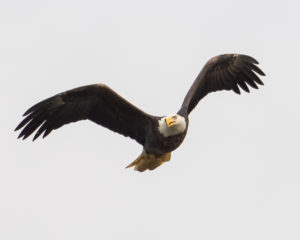
Almost a year to the day the ML Birders returned to view the greatest concentration of Bald Eagles on the East Coast at the Conowingo Dam on the Susquehanna River in MD. They were there in abundance soaring, fishing, giving us some aerial displays and just “loafing” on rocks and sitting in trees and man made structures around the dam. The big surprise was the large number of Black Vultures present (100’s).
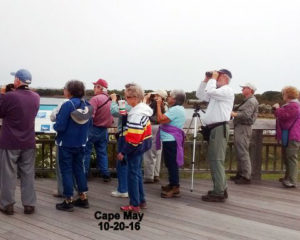
The ML Birders were greeted at the Cape May Point observation platform by a dense fog that limited what could be seen in the immediate area and especially the migrating raptors. However, we quickly put Plan B into action and headed over to Higbee Beach which gave us access to broad, open fields and vegetative borders and clear viewing as the fog abated.
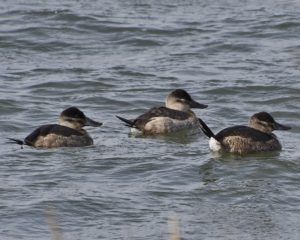
The ML Birders took a second trip out to the Forsythe Refuge to get a better assemblage of migrating ducks and Snow Geese. We did find a nice flock of Snow Geese and a diverse variety of ducks, but unlike past trips we did not see large numbers of ducks.
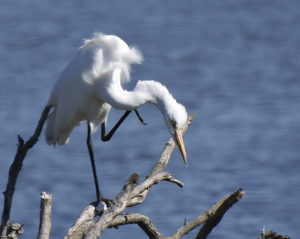
The outing to Forsythe was blessed by magnificent weather and a nice variety of bird life. Egrets and Herons were particularly abundant with Great Egrets and Snowy Egrets in large numbers.
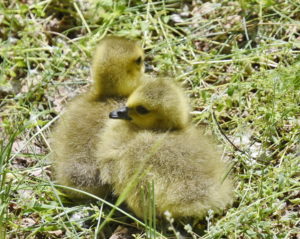
Brilliant sun and blue skies welcomed the Pathways trip to Palmyra Cove. Lots of birds, especially warblers and Baltimore Orioles, vocalizing and in many cases challenging us to not only identify them by song but to try and find them in the foliage.
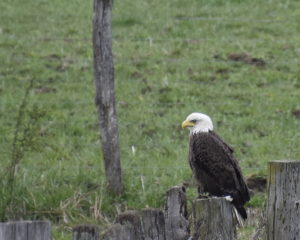
The day was gray, a little on the cool side and not very breezy, but the birds seemed to pay the weather no mind.
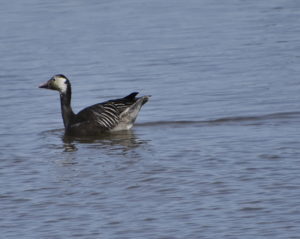
The weather gods finally relented and gave us a mostly sunny, relatively warm and most importantly windless day to visit the refuge. We were hoping to see the Gyrfalcon which was present a few days before our visit but had not been seen in the prior couple of days.
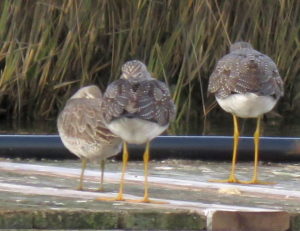
It was cool and windy with only partial sun. However, we did see some great birds, and it started in the parking lot, where we picked up a Brown Creeper and a Peregrine Falcon that circled over us and landed on the top of the lighthouse.
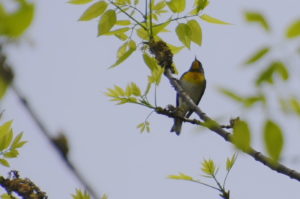
The Medford Leas Birders traveled up to Princeton to visit the Rogers Refuge, which makes up a small portion of the Institute Woods.
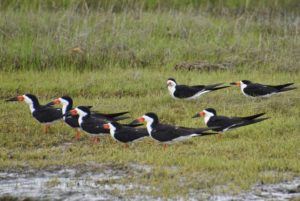
The Pathways boat trip through the inland waters around Cape May started out on an ominous note as we traveled to our destination from Medford Leas. Overcast skies and intermittent rain occurred most of the way.